
Welcome to the 2nd edition of The Old Grey Thinker. Here, we’ll explore the power of your brain to change — using science, common sense, and the sort of humour that gets you thrown out of mindfulness retreats. No fluff, no gurus. Just practical ideas to help you feel better.
1️⃣ Neuroplasticity for Nitwits: How to Rewire Your Brain Without Setting It on Fire
Neuroplasticity sounds like the kind of word you’d hear on University Challenge. But don’t panic — it’s simpler than it sounds. It just means your brain is more like a garden than a slab of concrete. Every thought, habit, or action plants a seed. Keep watering it (with your attention) and it grows.
The kicker? Your brain doesn’t care what you plant. Spend all day worrying? Congratulations — your anxiety pathways are flourishing. Binge on cat videos? Your brain’s reward centre lights up like a Christmas tree.
👉 How to use this to your advantage: Next time you catch yourself stuck in an unhelpful thought loop (like planning a sarcastic comeback from 1987), pause. Breathe once, deeply. Say (silently, unless you enjoy strange looks), “I’m choosing a new path.”
That tiny act interrupts the loop and plants something new. Repeat often enough, and your brain gets the message.
2️⃣ Meditation for People Who Can’t Sit Still (or Shut Up)

If you think meditation means emptying your mind and sitting cross-legged on a hilltop, you’re not alone. Good news: that’s nonsense. Meditation is about noticing where your mind goes, and gently steering it back.
Think of your mind as an excitable puppy. You’re not trying to make it sit still forever — just teaching it to come back when it wanders off.
👉 A no-nonsense method: Set a timer for 5 minutes. Sit somewhere comfy. Close your eyes. Focus on your breath — not changing it, just noticing it. When your mind drifts (and it will), label the thought “thinking” and come back to the breath. That’s it.
You haven’t failed if you catch yourself thinking — in fact, that’s success. Every time you return attention to the breath, you’re strengthening the mental muscle of focus.
3️⃣ Gratitude Schmankitude: Why Saying Thanks Works Even If You Don’t Mean It Yet
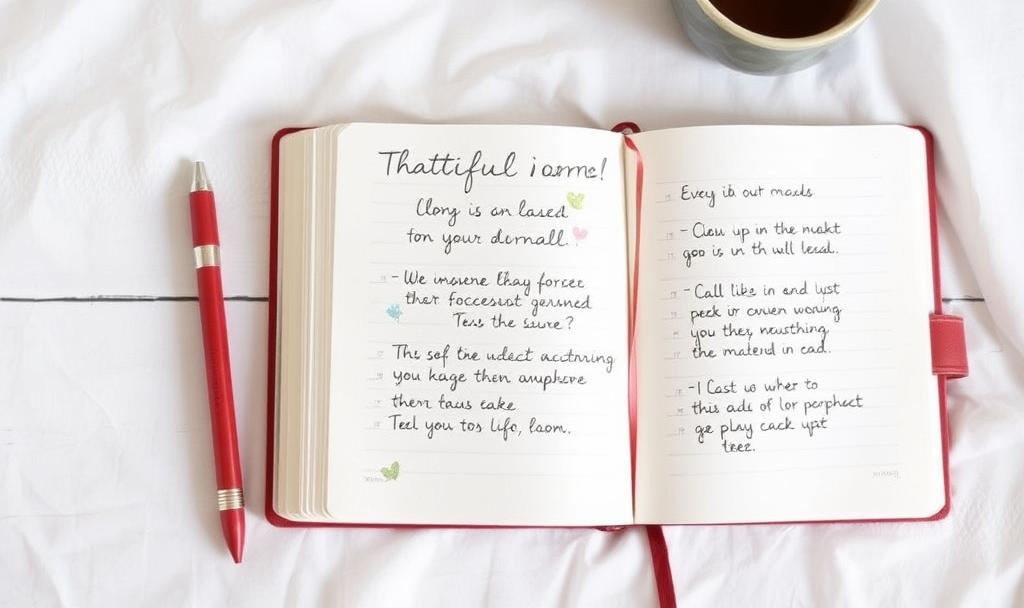
Gratitude journals: the thing smug people on Instagram claim changed their life. You may roll your eyes, but science backs it up. Focusing on what’s gone right — no matter how small — triggers your brain’s reward circuits, lowers stress, and builds resilience.
And no, you don’t have to feel genuinely grateful at first. Just doing the action starts the rewiring process.
👉 Simple practice: Before bed, scribble down one thing that went well today. Your tea was hot. The dog didn’t wee on the rug. You found a parking spot. Small stuff counts. Over time, you’ll find your brain starts looking for more things to appreciate — whether you mean it or not.
4️⃣ The Cold Shower Con: Can Freezing Your Bits Really Build Mental Strength?

Cold showers are all the rage. People bang on about how they’ll make you resilient, focused, and possibly immortal. But is it science, or just masochism with a good PR team?
Truth is, cold exposure can activate your parasympathetic nervous system, lower inflammation, and give you a mental “reset.” But you don’t have to stand naked under the icy stream every morning like a budget Wim Hof.
👉 What to try instead: Splash your face with cold water. Or run cold water over your wrists for 30 seconds. Same effect: your body snaps out of stress mode, your mind clears, and you feel a bit more alive — without the risk of hypothermia.

5️⃣ The Reframe Game: How to Turn Life’s Rubbish into Brain Training
Your brain loves a good story. Trouble is, most of us tell ourselves absolute rubbish. “I can’t cope.” “This is a disaster.” “Everyone else has it together except me.”
The more you repeat a story, the more your brain wires it in as truth. The trick? Change the script.
👉 A quick hack: Next time something annoying happens — the meeting runs late, the bus doesn’t turn up — say to yourself: “This is training.” Your brain shifts from seeing the situation as an attack to seeing it as practice for resilience.
It sounds daft. But do it often enough, and you’ll notice you handle life’s nonsense with a little more grace (or at least fewer swear words).
🏁 That’s your lot for Issue #2!
If you enjoyed this, you’ll love what’s coming up:
How to stop overthinking (without overthinking how to stop)
The science of staying sane in stressful times
🙌 Thanks for reading!
If this made you think, smirk, or snort tea out of your nose:
Share The Old Grey Thinker with a mate
Leave a comment (I do read them)
Pop back next week for more
Until then — Robert James – Old Grey Thinker