The Art of Useful Uselessness
Somewhere along the line, we convinced ourselves that every moment must earn its keep. Hours tracked, steps counted, skills monetised. Productivity has become our secular religion.
But what if the most valuable things in life are the ones that resist measurement?
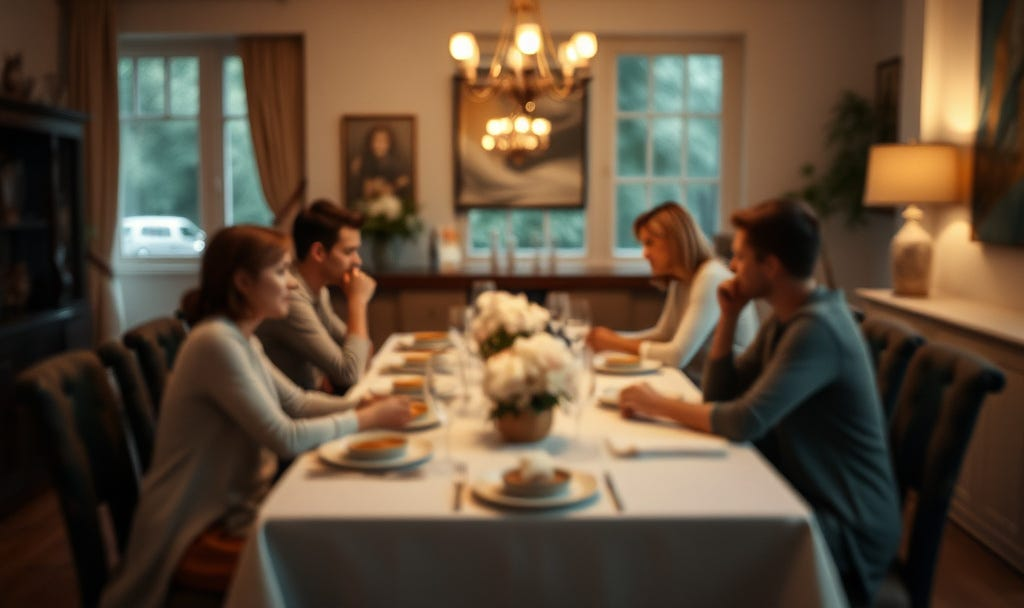
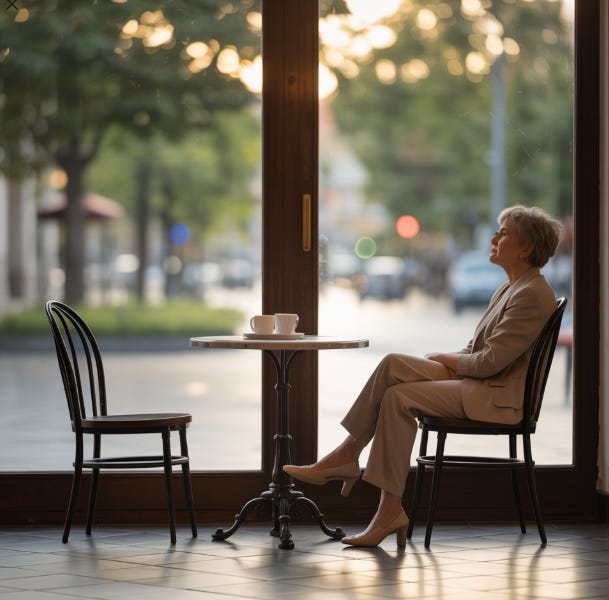
A philosopher friend of mine calls this useful uselessness. Think of sitting by the sea, watching waves fold into one another. Or doodling absent-mindedly on the back of an envelope. Or talking with a neighbour until the sky darkens and neither of you remember what started the conversation. None of these activities will pad your CV. They won’t increase quarterly growth. They won’t “scale.”
Yet they shape who we are. They soften edges, open perspectives, and connect us to something beyond achievement. To dismiss them as wasted time is to misunderstand the point of being alive.
Older traditions understood this better than we do. The Greeks praised scholé—leisure as the ground of culture. Taoist sages warned against endless striving. Even children, in their play, embody the freedom of uselessness.
Ironically, when you allow yourself to be “unproductive,” you often return clearer, kinder, and more creative. But that’s not the reason to do it. The reason is simpler: some things matter precisely because they don’t have to matter in a measurable way.
Perhaps the real art of living isn’t maximising output, but reclaiming time that doesn’t need a purpose.
If this resonates, you’ll find more reflections like it in my newsletter, The Old Grey Thinker. You can join here: https://substack.com/@theoldgreythinker