On Becoming Invisible After 60
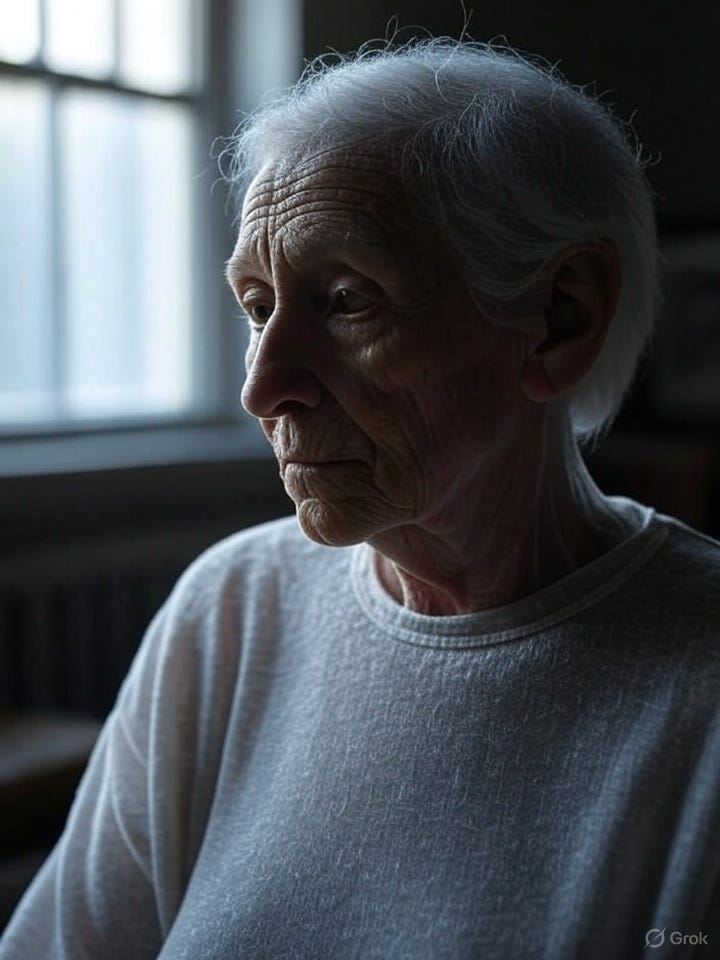
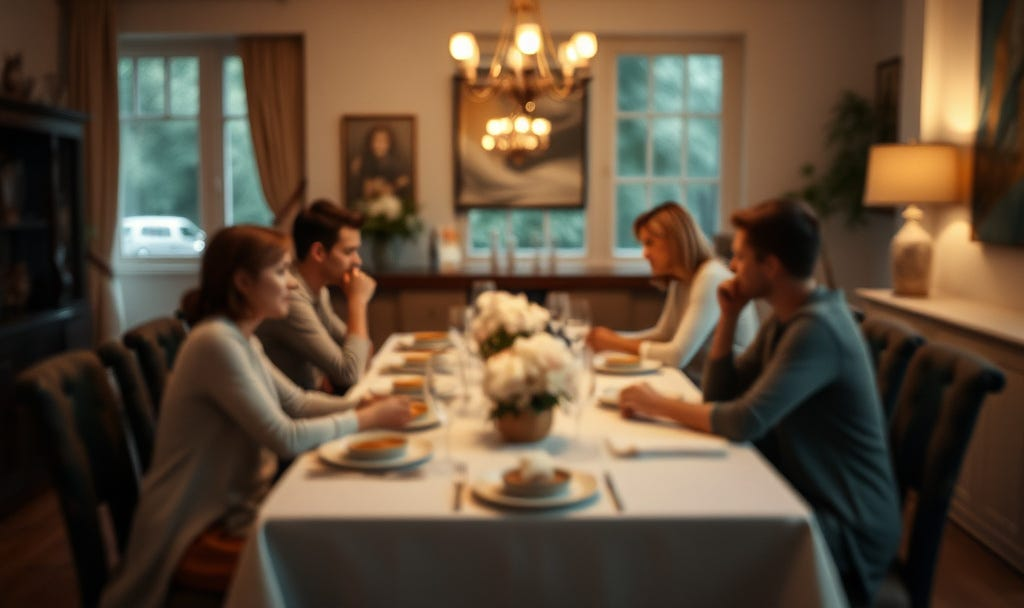
It happens quietly. You walk into a shop, and the assistant looks past you to the younger customer behind. At parties, conversations skip over you like a stone skimming water. Somewhere after sixty, society’s gaze begins to slide away.
At first, it feels like a theft. We grew up in a world where presence mattered — work, status, style, all sharpened our outlines. And then, one day, we’re blurred at the edges. The culture prizes youth, novelty, surfaces; grey hair and slower steps don’t fit the frame.
But here’s the twist: invisibility carries a strange kind of freedom.
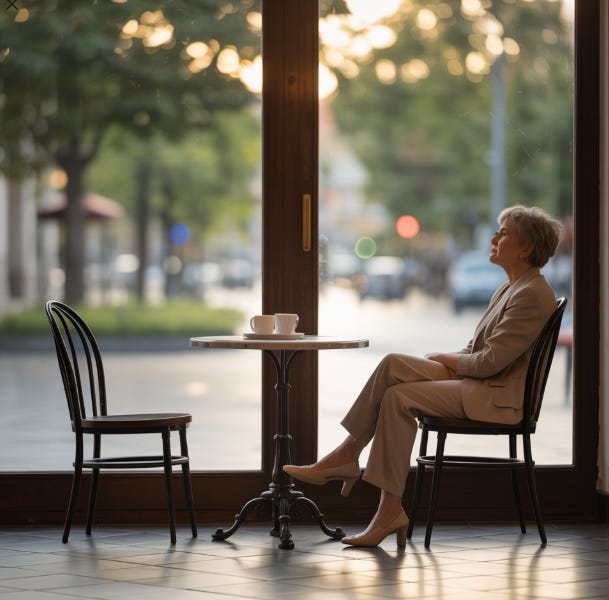
When the spotlight moves elsewhere, you’re no longer bound by its expectations. You can walk through the city unseen, observing rather than performing. You can choose without worrying whether it’s fashionable or impressive. The pressure to be noticed dissolves, leaving room for something richer: to notice.
Some friends describe it as a superpower. The ability to listen without interruption, to travel without the weight of attention, to speak only when it matters. You’re underestimated — and that makes your words land harder when you decide to use them.
Invisibility after sixty doesn’t mean irrelevance. It can mean liberation. It can mean returning to what you loved before the world demanded you prove yourself. Writing. Painting. Gardening. Conversations that don’t end up online.
Perhaps society will always look past us. But perhaps we don’t need its gaze. We can write our own, sharper vision. And in that space, we can finally see ourselves more clearly than ever.
If this piece spoke to you, you might enjoy my newsletter, The Old Grey Thinker. It’s where I share more reflections on life, learning, and a touch of humour for those of us navigating the later chapters. You can join here: