An Old Fart’s Guide to 2025 Yo Speak
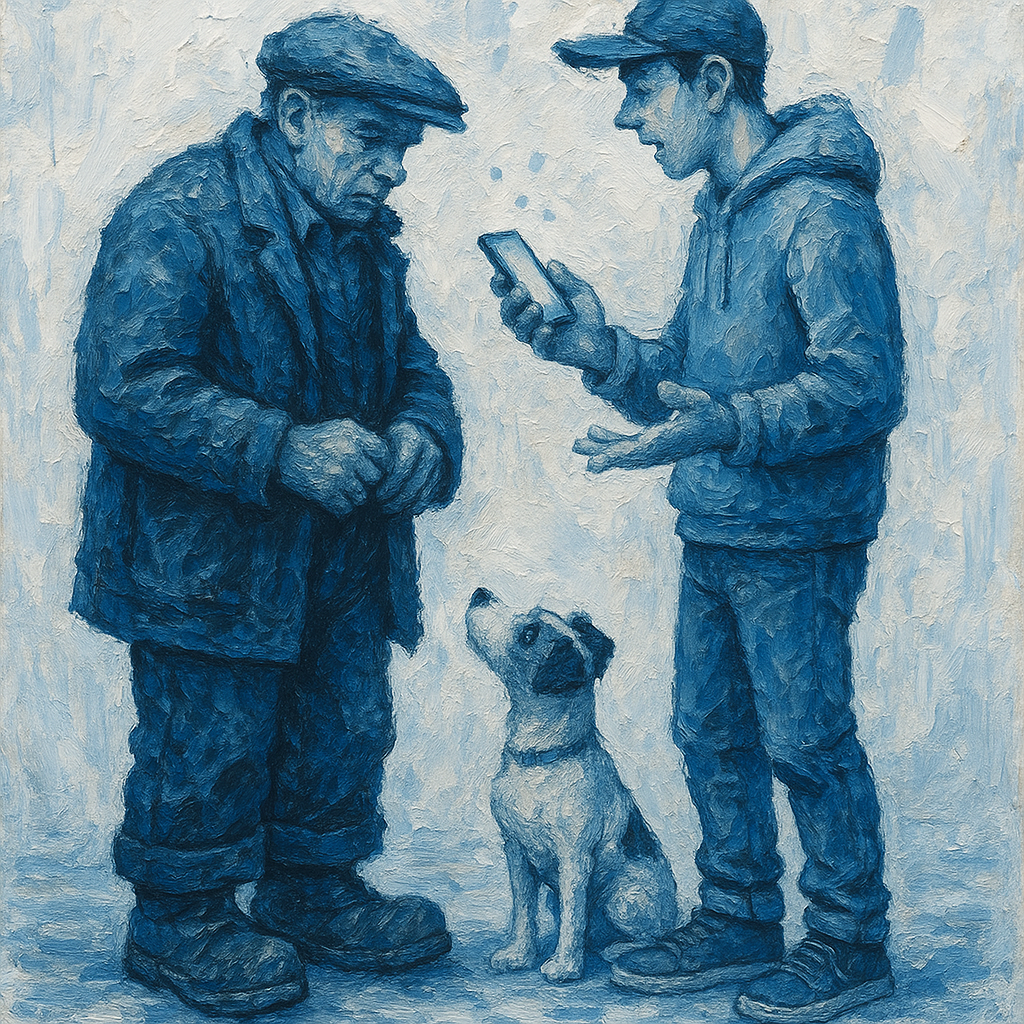
This morning my neighbour’s 22-year-old grandson told me something was "absolutely sending him" and I spent ten minutes wondering where exactly it was being dispatched to.
Turns out he just meant it was funny. Who knew?
The Problem with Modern Translation
Every generation develops its own language, but 2025 feels like we’re living in completely different linguistic universes. Your grandchildren speak in code that would baffle Bletchley Park, and Google Translate is useless when "no cap" has nothing to do with headwear.
You’re not imagining it. Language is evolving faster than ever, and we’re being left behind with our perfectly reasonable vocabulary.
But in reality…
Understanding modern speak isn’t about becoming fluent. It’s about recognising the patterns so you don’t feel like you need subtitles for family dinners.
Your Essential 2025 Dictionary
Here’s what I’ve decoded from my own field research:
"It’s giving…" – This means something has the energy or vibe of something else. "Your garden is giving English countryside" means it looks quintessentially English.
"Say less" – Means "I understand completely" or "you’ve convinced me." Not actually a request for fewer words.
"The way I…" – Used to emphasise strong feelings. "The way I screamed when I saw the gas bill" means they were shocked by the price.
"Living rent-free in my head" – Something they can’t stop thinking about. Usually not actual accommodation arrangements.
"That’s fire" – Something excellent. No emergency services required.
"I’m deceased" – They find something extremely funny. They’re still breathing.
"It’s giving me life" – The opposite of deceased. Something that energises or delights them.
The Pattern Recognition System
After months of observation, I’ve noticed young people often:
- Use "literally" to mean "figuratively"
- Turn adjectives into verbs ("adulting," "summering")
- Describe everything as either "iconic" or "cringe"
- Replace "very" with "lowkey" or "highkey"
The Simple Truth
You don’t need to adopt this language. You just need to decode it occasionally.
Think of it like learning enough French to order coffee in Paris. Basic comprehension prevents confusion and shows respect for the locals.
Your Next Step
Pick one phrase your grandchildren use frequently and ask them to explain it properly. Don’t try to use it yourself unless you want to become a family meme.
Moving Forward
Language evolves. We adapt. Your vocabulary from 1975 probably mystified your grandparents too.
The goal isn’t fluency in youth-speak. It’s maintaining connection across the generational divide.
Besides, in six months they’ll have moved on to completely different expressions, and we’ll all be confused together again.
Even more serious advanced level Old Grey Thinker stuff here