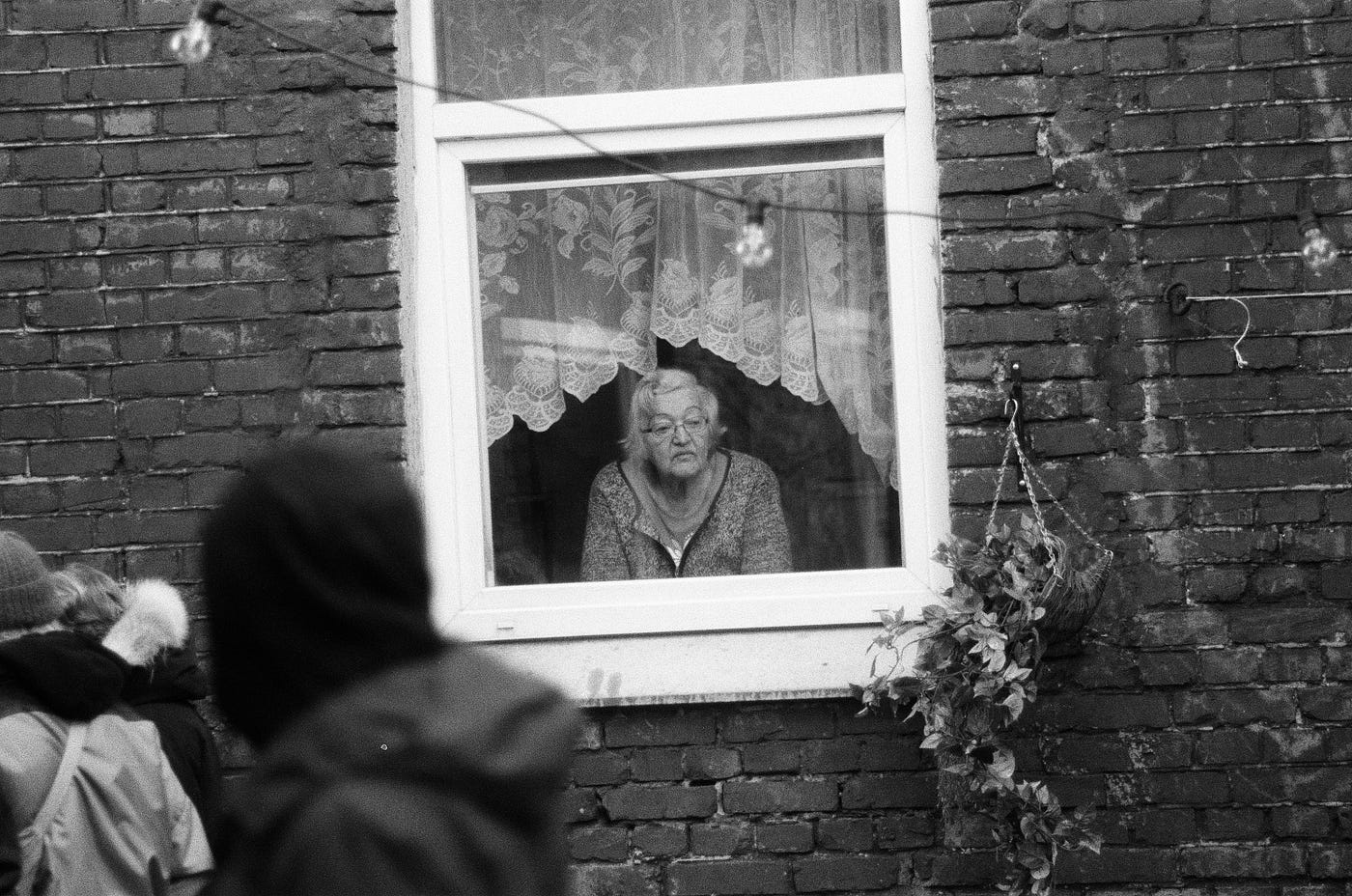
Last Thursday, a friend in my local café confessed she’d started rationing tea bags. We laughed, because that’s what we do in Britain — turn embarrassment into humour. But behind the joke was something serious. She wasn’t exaggerating. She was cutting corners quietly, just like millions of others who still look, on the surface, perfectly comfortable.
That’s the strange thing about this new poverty: it doesn’t look poor. It wears decent coats, drives cars that are technically paid off, and says things like, “We’re managing.” It hides behind politeness and thrift and the kind of calm that comes from fear. And most of us are pretending not to see it.
The Deal That Disappeared
We were raised on a simple promise: work hard, save sensibly, buy a modest house, and you’ll be secure. That’s what being middle class meant — not luxury, but predictability. There would be heating in winter, holidays occasionally, and a pension that stretched far enough to relax.
That deal no longer exists. The arithmetic has gone feral. Energy bills have tripled. Food has become a balancing act. Council tax climbs like it’s racing something. Inflation rises faster than pensions. The phrase “comfortable retirement” now sounds like satire. Everyone is tightening belts that are already notched to the last hole.
What’s cruel is how invisible it all is. Poor people are statistically recognised; help exists, however patchy. But “broke” middle-class people have no category. We don’t qualify for support, yet we’re one dental emergency or boiler breakdown away from panic. We’re not destitute — we’re quietly unravelling.
The Psychology of Pretending
Middle-class broke is not about collapse. It’s about erosion — of dignity, privacy, and pride. It’s about silently switching to supermarket basics, skipping social events, or choosing between heating and health. It’s about keeping up appearances because we were taught that money problems were shameful.
We say “fine” so reflexively it has become code for “hanging on.” Friends mention “cutting back” as if it’s a lifestyle choice. We all know the language of disguise: “simplifying,” “downsizing,” “being sensible.” What it really means is: we can’t afford what used to feel normal.
That’s the tragedy of this era. The people who did everything right — studied, saved, paid off their homes — are now calculating whether they can afford butter. They’re checking their meters like confessions. They’re too embarrassed to say they’re broke, because being broke after a lifetime of discipline feels like failure.
The Generational Mirage
Younger people assume older generations had it easy: cheap homes, stable jobs, secure pensions. But the reality is bleaker. Those homes are expensive to heat, pensions are shrinking, and “stability” has turned into a trap of fixed costs. The asset-rich are often cash-poor, too proud to admit it, and too scared to spend what little remains.
The betrayal is structural, not personal. The middle class was built on predictability, and predictability has vanished. We were told that competence guaranteed safety. Now we know safety was a temporary illusion.

Photo by bennett tobias on Unsplash
The Drift
Most people don’t crash. They drift — into smaller lives, smaller pleasures, smaller ambitions. They quietly accept less of everything: fewer outings, fewer hobbies, fewer treats. It’s not dramatic enough for headlines, but it erodes confidence all the same. Drift is the polite version of despair.
I see it everywhere. Former teachers who can’t afford petrol to visit grandchildren. Retired professionals counting coins in garden centres. Neighbours who used to host dinner parties now claiming they “prefer a quiet night in.” It’s the new social etiquette: everyone pretending their caution is preference.
The People Who Resist
And yet, some manage to stay upright. They design their days instead of drifting through them. They create structure, purpose, and small joys that money can’t touch. They treat time like currency: something to spend deliberately. They join walking groups, learn new skills, volunteer, or start late-life side projects that keep the mind alive.
It’s not Tuscany. It’s Tuesday — but designed, not endured. The retirees who thrive are the ones who rebuild shape, not status. They measure success by curiosity, not comfort. That’s how you survive a world where financial security has become a luxury product.
What Actually Helps
The antidote to this invisible poverty isn’t financial advice — it’s honesty. Start by telling one person the truth. Say, “I’m struggling more than I thought I would.” You’ll likely discover they are too. Everyone is running their own quiet austerity campaign. Talking about it doesn’t fix the numbers, but it dissolves the loneliness.
Then, give your week structure. Choose one thing that still feels like you — something that costs little but restores meaning. A morning walk. A local club. A weekly call. The act of designing your time, rather than drifting through it, restores a sense of control that money once provided.
The Truth About the New Middle Class
We aren’t lazy or careless. We’re living through a quiet collapse of promises that once defined decency. The new poverty isn’t about deprivation — it’s about deception. We’re pretending everything’s fine because admitting otherwise feels like losing our place in the social order.
But maybe that order needed breaking. Maybe the middle class was never meant to be about appearances, but about integrity — the willingness to face hard truths without shame. Because what’s left, after the silence and the struggle, isn’t disgrace. It’s resilience.
We’re still here. Still standing. Still finding ways to live decently in indecent times. The new middle-class poverty is real, but so is the courage it’s revealing.
If this reflection resonated
For readers who like to go deeper, I’ve also collected some extended guides and reflections at my Gumroad page — small tools for thinking and creating in an age that moves too fast.
⬇️ A gentle invitation
Before you continue, a gentle note: paid subscribers get access to all of my private guides, behind-the-scenes AI methods, and step-by-step ways to turn your knowledge into income in a calm, grounded, sustainable way.
They’re designed for people who’ve spent years accumulating wisdom and want to turn that experience into something meaningful, useful, or quietly profitable — without the noise, pressure, or hustle the rest of the internet pushes.
You might find something in there that opens a door you didn’t realise was locked.
If subscribing isn’t right for you at the moment, you can always support my work by buying me a pot of tea.
I appreciate every kindness — truly.