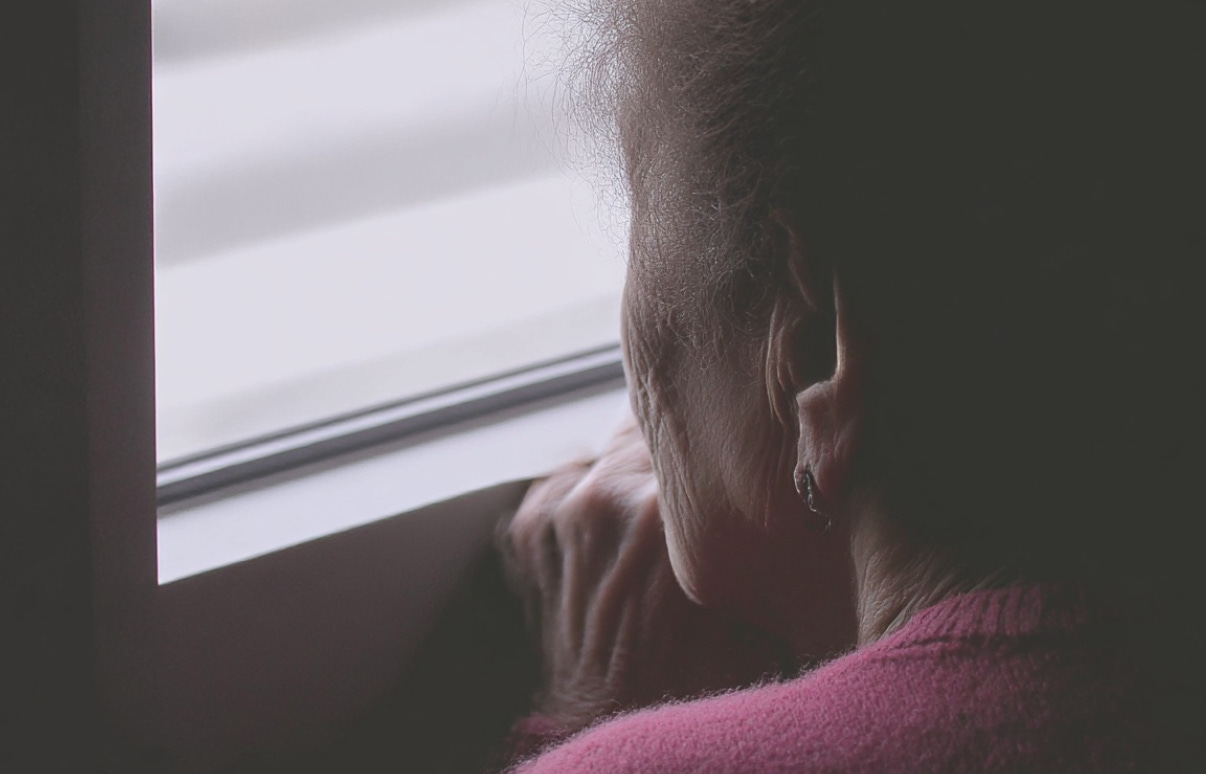
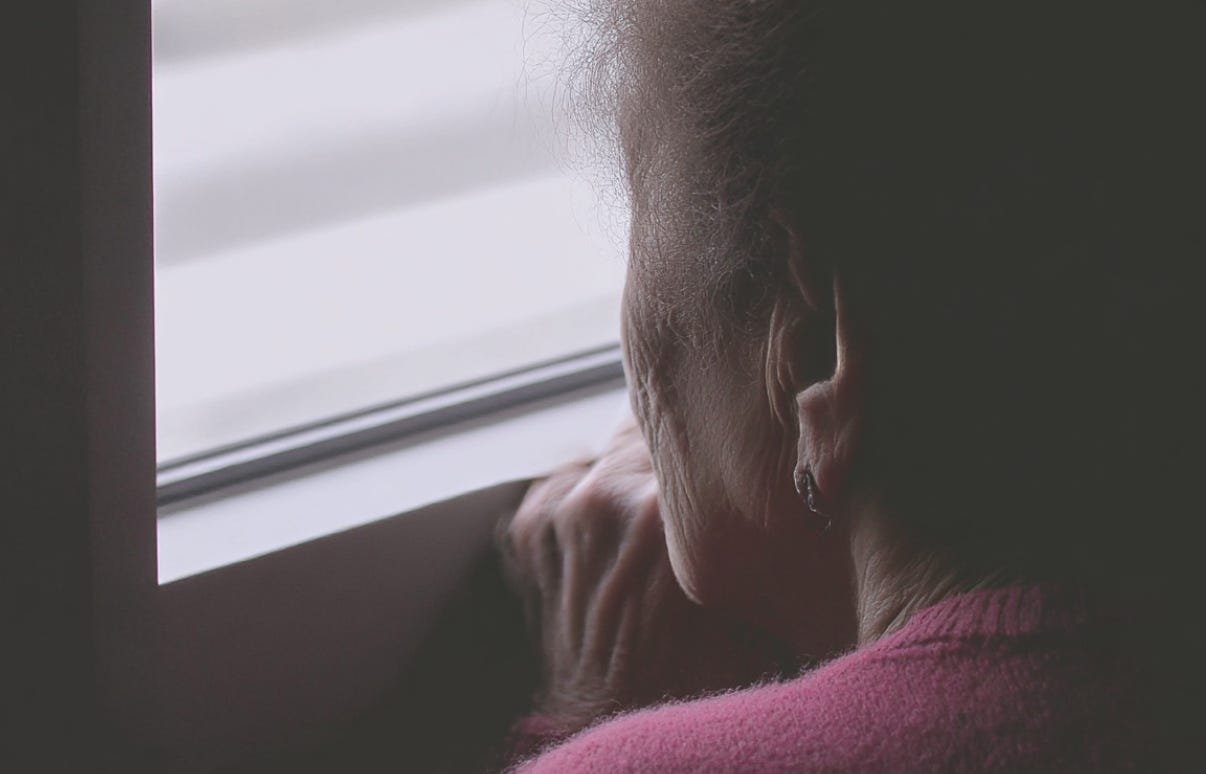
There comes a point in later life when your body stops feeling like a familiar, reliable background presence and starts behaving like someone you thought you knew but suddenly have to watch more closely. Nothing dramatic at first. No collapse in the supermarket aisle. No television-movie moment. Just small, quiet differences that arrive like changes in the weather.
A twinge that appears in a place that has never hurt before. A stiffness in the morning that takes an extra few minutes to unkink. A slight flutter or tightness after climbing the same set of stairs you have climbed, absent-mindedly, for forty years. The kind of thing you once brushed off without a second thought now makes you pause, just for a moment, and pay attention.
That pause is the giveaway. For decades, the body was background noise. It simply got on with the job. You could ignore your knees, your lungs, your heart, and they would quietly carry you through workdays, late nights, family dramas, and foolish decisions. If something hurt, it was easy to explain. You overdid it. You slept funny. You lifted something you shouldn’t have. The story was simple; the ending was always, “It’ll sort itself out.”
Then, somewhere in your sixties or seventies, that certainty quietly expires. The same sensations arrive, but they land differently. That ache in your hip doesn’t automatically file itself under “give it a day or two.” The breathlessness on the stairs doesn’t slot as neatly into “need to get fitter.” You still tell yourself those stories, but now there is a small, persistent question mark attached to each one.
Is this just age, or is this the beginning of something I don’t want to look at?
What unsettles me most is that nobody prepared us for this part. We grew up on tidy slogans: “Listen to your body.” “You’ll know when something’s wrong.” “Ageing is natural.” Those lines sound comforting when you imagine a body that continues to speak in clear, crisp signals. But the older I get, the more I realise the signals don’t stay crisp. They blur. They overlap. They become layered with history and context and half-remembered injuries. The messages don’t stop; they just become harder to translate.
Ageing, it turns out, isn’t just about the body changing. It’s about the work of interpretation.

From the outside, none of this is visible. You look, more or less, like yourself. You show up to the same places, make the same jokes about stiff joints and lost glasses, and everyone nods along because that’s the version of ageing they recognise. What they don’t see is the silent mental bookkeeping happening in the background.
They don’t see you lying awake at three in the morning, replaying that odd feeling in your chest and wondering whether you imagined it. They don’t see you standing at the bottom of the stairs, choosing whether to pretend nothing happened yesterday or to climb a little more slowly “just in case.” They don’t see the moment in the doctor’s waiting room when you silently debate whether you’re wasting their time or missing something important.
So much of later life happens in that invisible space between “I’m probably fine” and “What if I’m not?” It is a narrow, private corridor, and it can be a lonely place to stand.
Most of us learn to cope by swinging between two extremes. On one side is quiet panic: late-night Googling, worst-case scenarios, scrolling through medical websites until the whole body feels like a ticking bomb. On the other side is cheerful denial: brushing everything off, hiding worries behind jokes, avoiding check-ups because “they’ll only find something.”
Neither extreme gives you what you actually need, which is a calm, practical way of relating to an ageing body that neither minimises nor catastrophises every new sensation. We were never taught how to find that middle ground. No one sat us down in our fifties and said, “You’re about to enter a different relationship with your own body. Here’s how to navigate it without driving yourself mad.”
Instead, we stumble into it alone.
The more I pay attention, the more I think ageing is less about decline and more about renegotiation. The body you live in now is not the same body that carried you through your twenties and thirties. It has a history. It has scar tissue, wear and tear, stories written into joints and ligaments and arteries. It isn’t failing you; it’s simply operating with a different rulebook. The trouble is, nobody hands you the updated manual.
So you have to write one.
That doesn’t mean obsessing over every sensation or turning every twinge into a crisis. It means building a new kind of partnership. It means noticing what is genuinely new and what is simply louder because you have more time to hear it. It means learning which changes are background noise, which are signals worth monitoring, and which are sirens that deserve immediate attention.
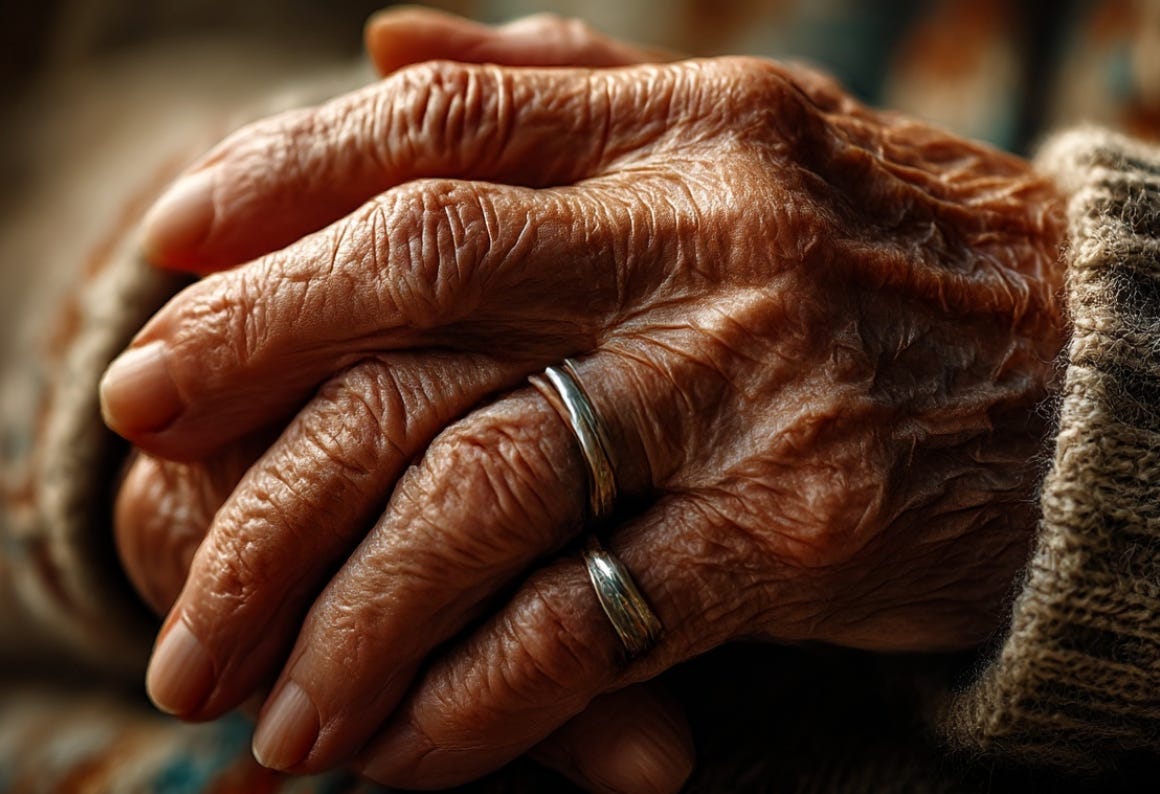
I am slowly learning to treat my body less like a machine that should perform on command and more like an older friend who deserves patience. You don’t bark at an old friend for walking more slowly. You don’t demand that they keep up the pace of their youth. You adjust. You listen. You pay attention when they say they are tired, and you don’t assume that every pause is a disaster.
The same courtesy, it turns out, goes a long way when you offer it to yourself.
This doesn’t magically remove the uncertainty. There will always be days when you wonder whether you are overreacting or underreacting. There will always be temptations to ignore things you should mention, or to spiral about things that mean very little. But framing the relationship as a partnership, rather than a fight, changes the tone of the conversation.
Instead of, “Why are you letting me down?” the question becomes, “What are you trying to tell me, and how can we handle this together?”
That shift matters. It’s the difference between living in a constant state of low-level betrayal and living in a state of cautious collaboration. One narrows your world; the other leaves room for agency, curiosity, and even a kind of tenderness.
This, I think, is the part of ageing nobody warned us about. Not the wrinkles, not the slowing, not the way other people start to look through you a little more quickly. It’s the quiet, daily work of interpreting a body that no longer speaks as clearly as it once did—and choosing, again and again, not to turn that into a war.
If you are in that phase now—standing in that narrow corridor between “it’s nothing” and “what if it’s something”—you are not failing. You are simply learning a new language. None of us were given the phrasebook. We are all, in our own ways, translating as we go.
And maybe that is the most honest way to think about later life: not as a long, sad slide into decline, but as an apprenticeship in listening.
To ourselves.
To our limits.
To the subtle, confusing, sometimes infuriating, sometimes beautiful ways our bodies keep trying to stay in conversation with us, right up to the end.