They told me aging gracefully meant yoga, kale, and gratitude journaling. So far I’ve mastered groaning when I sit down and misplacing my glasses. Twice.
Welcome to the thrilling world of brain health—a place where ‘mental fitness’ means something more dignified than shouting at Wordle. As we age, we’re told we must keep our brains “young”—as if they’re pets we’ve forgotten to walk. Neuroplasticity is the brain’s charming ability to rewire itself, like a pensioner learning TikTok or figuring out the self-checkout at Tesco without weeping.
But fear not: you don’t need a PhD, a headband, or a turmeric latte to make it work. Let’s stroll (briskly, if knees allow) through five delightful corners of cognitive maintenance—minus the lab coat, plus a cup of something warm.
🧩 1. “Use It or Lose It”—Which Frankly Applies to Most Things Now
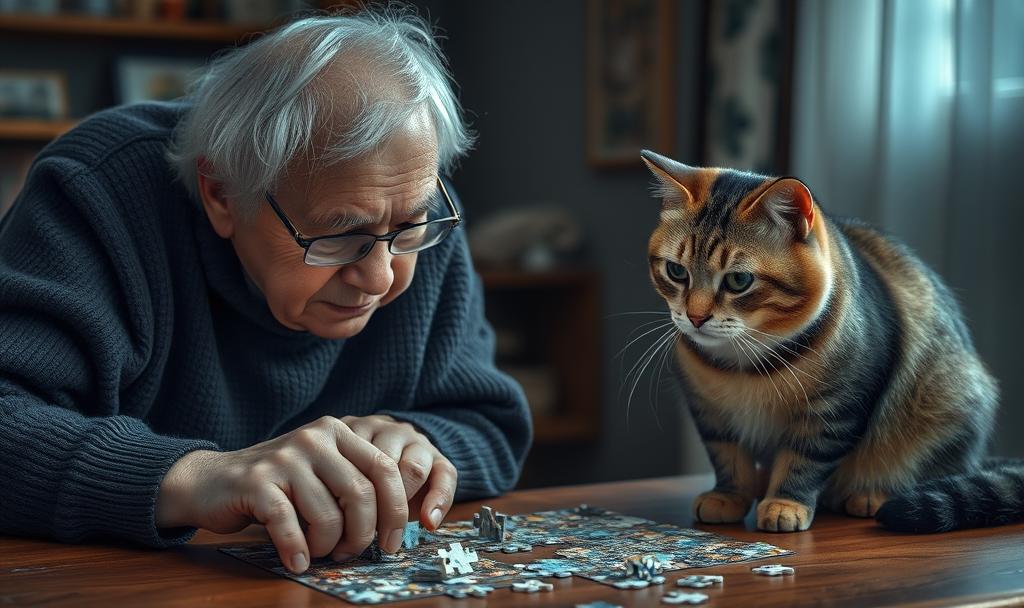
Your brain, much like your phone charger, works best when you actually use it. Neuroplasticity isn’t just a word that sounds clever at dinner parties—it’s your noggin’s way of adapting, learning, and staying vaguely sharp. Think of it as brain yoga, minus the Lycra.
Whether it’s learning Spanish (again), trying a new hobby, or just switching up your walk to the shops (yes, Karen, that counts), novelty forces the brain to build new connections. One study even found that knitting improves cognitive function. I tried. I created a knot so complex it may have opened a wormhole.
🧠 2. “I Forgot Why I Walked into This Room”—And Other Signs of Genius
Memory lapses are terrifying until you realise everyone’s doing it. Especially the bit where you stand in the kitchen wondering if you came in for tea, toast, or to cry quietly by the fridge light.
But here’s the twist: memory isn’t about age; it’s about attention. Half the time, we forget things because we were never really paying attention in the first place (see also: marriages, PIN numbers, and plotlines on BBC dramas). Mindfulness—yes, that annoyingly trendy word—can help. Just 10 minutes a day of paying actual attention to your thoughts can keep the brain tidier than your sock drawer. Which, granted, is a low bar.
🎭 3. Emotion Commotion: Feelings, the Original Pop-Up Ads
Turns out emotions are not just for dramatic teens or Oscar speeches. They directly impact how we remember, think, and interact. Stress floods the brain with cortisol, which is like letting a toddler loose with a marker pen on your memory centres.
Good news: laughter, social connections, and even watching reruns of your favourite sitcom can help reset the emotional circuitry. I’ve personally tested this by binging old episodes of Fawlty Towers and shouting “I know nothing!” at my plants. They’re very supportive.

🏋️♂️ 4. Brains Like Exercise Too (Even if You Don’t)
Yes, exercise helps your brain. I know, I hate it too. But before you dig out your running shoes and immediately put them back, know this: walking for 30 minutes a day has been shown to boost memory, lift mood, and improve focus. That’s right—plodding counts.
Even gentle movement increases blood flow to the brain, making it feel less like mashed peas and more like something you’d be proud to own. Bonus points if you do it outdoors, where the air is fresh and strangers can judge you for wearing socks with sandals.

🔌 5. Rest & Rewire: Why Your Brain’s Favourite Hobby is Napping
Sleep is when your brain takes out the recycling. It processes memories, strengthens connections, and clears out the junk—like that one weird dream about being late for a GCSE you didn’t study for.
Most adults need 7–9 hours, though many of us are getting by on something closer to 5 and a small prayer. Prioritising sleep isn’t lazy—it’s proactive brain maintenance. Like flossing, but more socially acceptable to do in public.

🫖 Final Thoughts: Kettle On, Brain On Look, you don’t need to turn into a self-help guru or meditate on a mountaintop. Just add a little variety, movement, rest, and maybe a crossword or two. The brain is delightfully stubborn—it wants to work. It just sometimes forgets where it put the keys.
If this gave you a chuckle or sparked a neuron, do forward it to someone who’s also aging disgracefully. Or leave a comment with your best brain-boosting tip (or worst Wordle score—we won’t judge).
Until next time—stay sharpish,