The Engine Is Off. Now What?
Nobody prepares you for what happens after the last day. Not really.
Nobody prepares you for what happens after the last day. Not really.
There are books about it. Podcasts. Retirement planning seminars with PowerPoint slides about hobbies and purpose and the importance of keeping active. I attended none of these, which may explain why I was not prepared.
What I was not prepared for is this: stopping is not the problem. The problem is what stopping lets you hear.
I spent forty-six years at sea. Ship’s captain. When the last voyage ended, I signed off the logbooks, handed in the paperwork, and switched the engine off. Then I waited for retirement to begin. For the peace to arrive. For the sense of freedom everyone mentions.
What arrived instead was information.
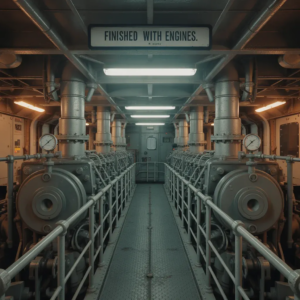
On a ship, when you ring down finished with engines, you don’t get silence. You get everything the engine noise was covering. The hull settling. Water against the keel. Metal cooling in ways that produce sounds you’d never associated with metal. A ship at rest is extraordinarily talkative. It’s just that nobody could hear it before.
Retirement is identical. The noise of a working life had been doing more than keeping me busy. It had been making decisions on my behalf. Filling the space where questions would otherwise have lived. Forty-six years of not having opinions about how I’d like to spend a Tuesday, because Tuesdays were never mine to spend.
Six weeks in, someone proposed I join a committee. I attended once. Three hours in, we were still debating the agenda item about the agenda. I drove home, made a pot of tea that could have stripped paint off a bulkhead, and reconsidered.
The advice to stay busy isn’t wrong. It’s just incomplete. Busy is a setting. Not a destination.
The most interesting thing on this side of the engine stopping isn’t the quiet. It’s what the quiet contains.
Read the full piece here: https://theoldgreythinker.substack.com/p/why-retirement-feels-stranger-than