There’s a strange thing nobody tells you about getting older.
Yes, your knees might complain more than they used to. And yes, you may forget where you put your glasses — only to find them on your head. But when it comes to creativity? Something surprising happens.
Past sixty, new sparks show up.
They’re not the “stay up all night and write a novel on three hours of sleep” sparks. They’re slower, sharper, stranger — and honestly, more interesting.
The real trick is catching them before they float away. And that’s where AI, oddly enough, becomes your perfect creative sidekick.
Have you ever wondered why people like me keep showing up to write? I’ve put together a free report that explains it. Grab it here.
1. The Spark of Perspective
You’ve lived through entire cultural shifts — from landlines to smartphones, from handwritten letters to instant messaging.
That perspective gives your ideas layers younger creators just don’t have. But perspective can feel too big to capture.
AI helps here. Feed it your messy reflections and ask it to “structure this like a short essay” or “turn this into a three-point story.” Suddenly, your perspective doesn’t feel overwhelming — it feels readable.
2. The Spark of Memory
After sixty, memory has a funny rhythm. One moment you can’t remember a name; the next you recall the smell of your grandmother’s kitchen in 1962.
Those flashes are gold for storytelling, memoir, and creative writing.
Instead of letting them vanish, jot them into an AI tool: “Expand this memory into a 300-word vignette with sensory detail.” What was once a fleeting thought becomes a vivid scene.
3. The Spark of Playfulness
Age doesn’t just bring wisdom — it brings irreverence. You care less about impressing people, more about having fun.
That playfulness makes for delightful creative projects. Silly poems, quirky stories, eccentric blog posts.
AI can act as a play partner. Tell it, “Write this in the voice of a pirate,” or “Turn this into a limerick about toast.” The sparks you offer become even funnier in return.
“The gift of age isn’t fewer ideas. It’s permission to play with the ones you already have.”
4. The Spark of Slowness
You no longer feel the frantic pressure to keep up with every trend. Slowness itself becomes a creative edge.
That means deeper essays, patient research, or simply noticing details younger people scroll past.
AI can handle the busywork — fact-checking dates, summarising articles, re-formatting drafts — so you can focus on the slow, deliberate part: shaping meaning.
5. The Spark of Connection
After sixty, relationships matter differently. You start seeing the invisible threads — how people’s choices ripple across families, careers, communities.
That spark fuels everything from memoir to fiction to thoughtful advice columns.
AI can help you test different ways of framing those connections: “Show me three possible titles for this essay about friendships that drift apart,” or “Suggest metaphors for resilience that aren’t clichés.” It sharpens the human connection you already notice.
6. The Spark of Legacy
Here’s the big one. Past sixty, creativity stops being just self-expression. It becomes about leaving something behind.
That doesn’t mean a giant book deal or a viral blog. It might mean a collection of family stories, a scrapbook of travel notes, or a set of essays you self-publish online.
AI helps you organise, structure, and polish — but the why is all yours. Legacy sparks are about meaning, not metrics.
Why This Matters
The common story is that creativity fades with age. The reality is stranger: it just changes shape.
You trade raw energy for depth. You swap urgency for perspective. You gain sparks younger creators can’t fake.
The only risk is letting them slip away before you capture them. That’s where AI isn’t a replacement, but a net. It catches sparks before they vanish.
Your Path Forward
Keep a digital “spark journal.”
Feed half-formed ideas to AI for structure.
Play with tone, style, and format.
Publish sooner than feels comfortable.
Because the truth is, sixty isn’t the end of creativity. It’s the start of a new chapter — one with sparks worth sharing, and tools finally smart enough to help you share them.
Bonus Idea: From staring at the blank page… to actually getting paid
A few months ago, I sat there with the same thought most of us have:
“I’d love to write, but where on earth do I even start?”
I kept circling the same three questions:
Why would I write in the first place?
What would I actually write about?
And how would I turn that into something that earns money?
Here’s what I figured out (and what I wish I had from day one):
First, the why.
If you’ve ever wondered why people like me keep showing up to write, I’ve put together a free report that explains it. Grab it here.
Next, the what.
Knowing your reason is one thing, but deciding what to write about is where most people get stuck. I created a guide that shows you how to choose a niche that fits you. It’s less than a Starbucks coffee. See the guide here.
Finally, the how.
Once you know why you’re writing and what you’ll focus on, the last step is learning how to actually do it — quickly, without wasting months. I’ve broken that down into a simple process you can follow in an afternoon. For less than a burger meal, you could be publishing and earning. Find out how here.
That’s the exact path I took — and if you’ve been circling the same questions, now you’ve got the answers laid out in front of you..
STOP PRESS
I Launched 3 Digital Products in 7 Days – New Guide
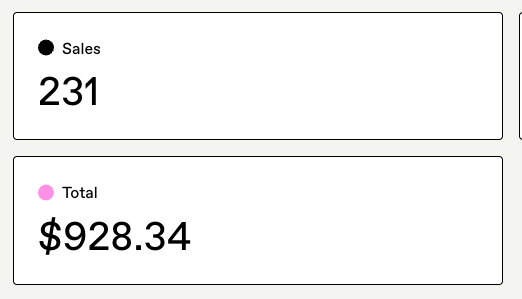
I followed my own system and had three products for sale on Gumroad by Wednesday – despite being on holiday!
First sales came by day 2. Real money. For something I created.
The process: pick something people asked me about, use AI to eliminate friction, tell my network, see what happens.
Most people never actually do this. They read,buy, forget, do nothing.I did what required and the results are coming in
The whole thing is documented in a guide—every prompt, every step, every template.
It’s not magic. Just a 7 day system and checklist that works if you execute