We’re sold a lie about ageing. It comes wrapped in glossy magazines, celebrity interviews, and well-meaning birthday cards—that somehow we’re meant to “grow old gracefully.” As if there’s a dignified, socially acceptable way to watch your body change while the world starts treating you differently.
I noticed it last Thursday afternoon. Sitting in my garden with a mug of tea gone cold, watching the neighbour’s cat stalk something in the hedge. My knees ached from kneeling to plant bulbs earlier. A plane crossed overhead, leaving a white trail in a perfect blue sky. And I caught myself thinking about how I should be behaving at this stage of life.
Our generation grew up with certain promises. We’d work hard, save sensibly, then enjoy a golden retirement of cruises and gardening, all while maintaining the vitality and relevance of our younger selves. Just with better pensions and more comfortable shoes. The brochures never mentioned the invisibility that begins around 60, or how technology would transform the world just as we were getting comfortable with the old one.
The adverts still show us as silver-haired couples laughing on beaches or contentedly comparing grandchildren. But they never show the contradictions—the 3am worries about money, the fury when shop assistants speak to your adult children instead of you, the way your doctor suddenly attributes every complaint to “just getting older.”
The unspoken expectation runs deeper than aesthetics. The real pressure isn’t about looking young—it’s about not being troublesome. Don’t complain too loudly. Accept diminished expectations. Be grateful. Take up less space.
I’m as guilty as anyone. For years I’ve crafted a persona of the reasonable older man, the one who doesn’t make scenes in restaurants when the service is poor, who smiles politely when younger colleagues explain things I’ve understood for decades. I pretend it doesn’t sting when estate agents show my wife the kitchen features while directing the investment questions to me.
The ONS reports that people over 65 now represent nearly 19% of the UK population—that’s over 12 million of us. We control most of the nation’s wealth, yet somehow our collective voice grows fainter rather than stronger. We’re demographically significant but culturally muted.
Here’s what I’ve come to understand: “Growing old gracefully” isn’t wisdom. It’s surrender disguised as maturity. Every time we swallow legitimate frustration in the name of dignity, we’re not being graceful—we’re being erased. Every time we pretend not to mind when the world speeds up just as our bodies slow down, we’re not being philosophical—we’re being pushed aside.
I remember my father in his later years, how his voice changed when speaking to authority figures—doctors, bank managers, council officials. How his sailor’s directness gave way to an apologetic tone, a subtle shrinking. I swore I’d never do that. Yet here I am, carefully moderating my words at the pharmacy counter when they’ve lost my prescription for the third time, thanking them for their trouble.
The bitter truth is this: the pressure to age gracefully isn’t about grace at all. It’s about compliance. It’s society asking us to make our inevitable decline as unobtrusive as possible. To remove ourselves from view before we’ve actually gone.
What would happen if we stopped? What if we abandoned this pretence of serene acceptance? What if, instead of nodding sagely when younger people tell us how the world works now, we spoke truthfully about what we see happening? Not from bitterness or entitlement, but from the genuine wisdom that only comes with decades of watching human patterns repeat.
I’m not suggesting we become the stereotypical grumpy old men and women, railing against every change. That’s just another trap, another way to be dismissed. I’m talking about something more radical: authentic ageing. Bringing our full selves—wrinkles, wisdom, contradictions and all—into every room we enter.
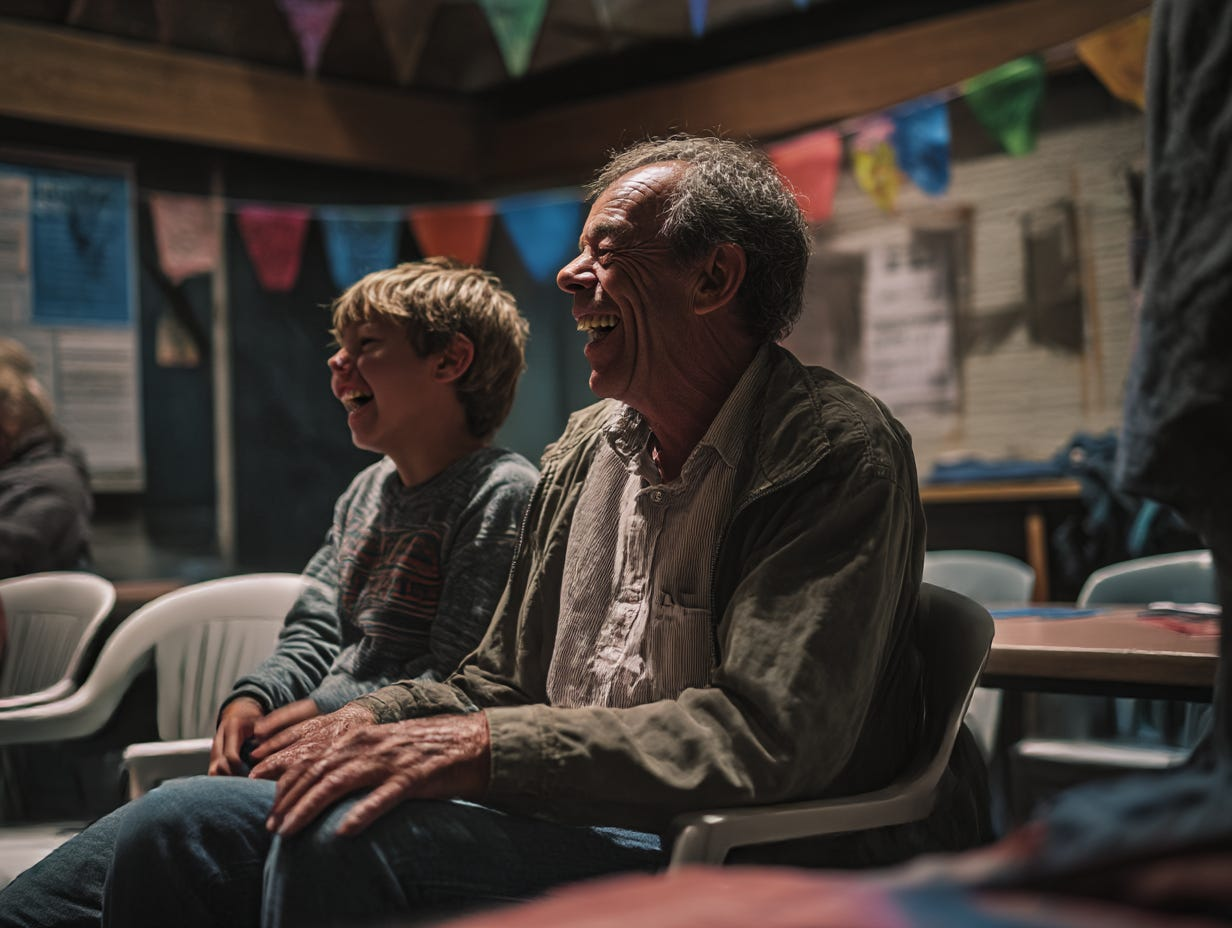
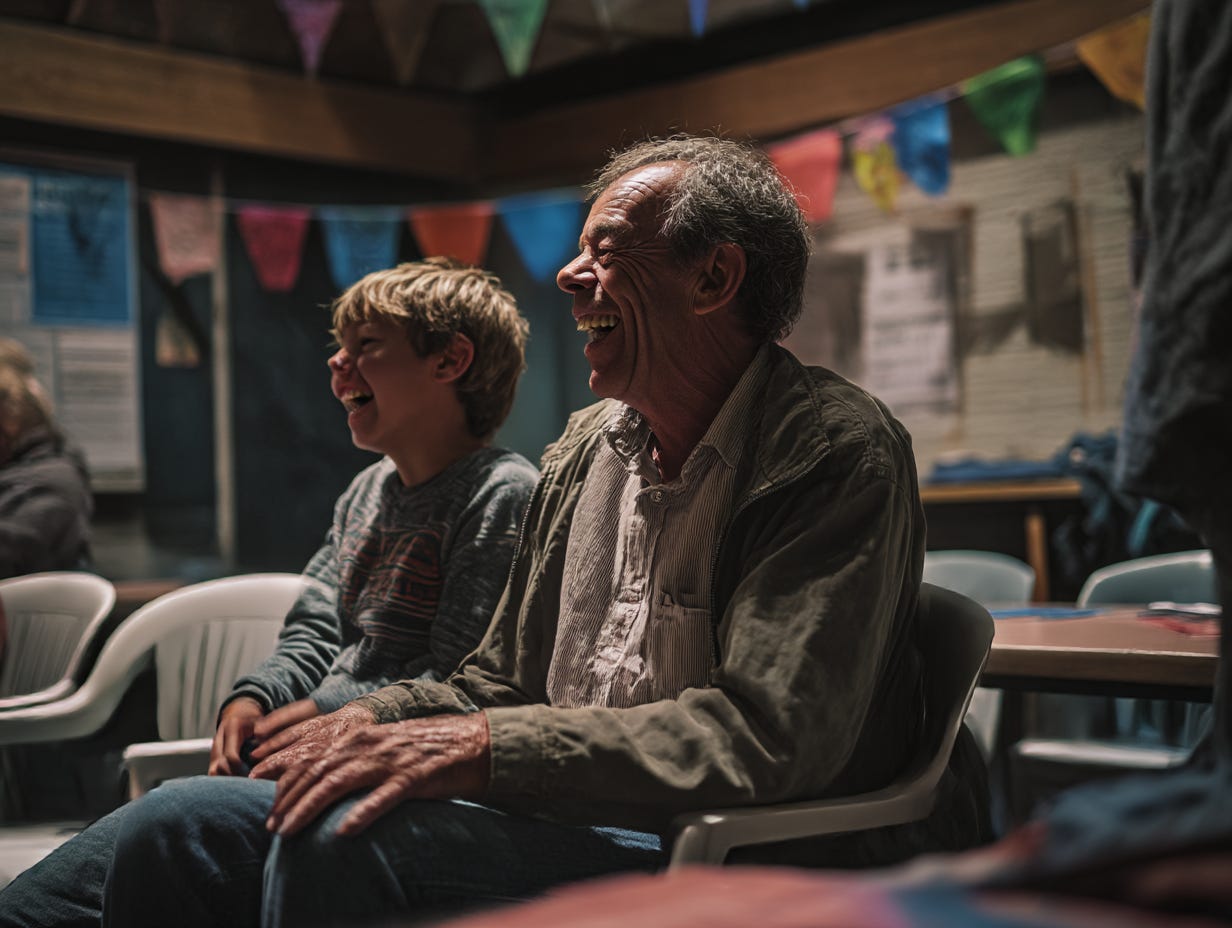
Last month at my granddaughter’s school concert, I found myself wedged into a tiny plastic chair designed for seven-year-olds. My knees were practically touching my chin, and the young father next to me kept glancing over with that mixture of amusement and pity reserved for the elderly in uncomfortable situations. In that moment, I had a choice—maintain the dignified silence expected of a grandparent, or acknowledge the absurdity.
“These chairs,” I whispered to him, “are what purgatory is furnished with.”
He laughed—a proper laugh, not the polite kind—and suddenly we were just two humans sharing a moment, not categories separated by decades.
That’s what we lose pretending to age gracefully: the authentic connections that can only happen when we stop performing our age and start living it honestly. When we admit that getting older is sometimes brilliant, sometimes terrifying, and often ridiculous.
The real grace in ageing isn’t found in quiet acceptance or maintaining appearances. It’s in the courage to remain fully ourselves as everything changes around us. To speak up when we’re being patronised. To laugh without restraint at the absurdities. To express anger when it’s justified. To wear what pleases us rather than what’s “age-appropriate.”
Perhaps that’s the final contradiction—that true grace comes not from following the script of dignified decline, but from tearing it up entirely. From refusing the comfort of cliché and instead embracing the messy, unpredictable business of being fully alive until we’re not.
I look again at the garden, the fading light catching the roses I planted last autumn. They’re imperfect—some petals browning at the edges, stems leaning at awkward angles. There’s no artifice in how they age, no pretence. They simply continue being exactly what they are, until they’re not.
Perhaps there’s a lesson there, if I’m wise enough to see it.
⬇️ A gentle invitation
Before you continue, a gentle note: paid subscribers get access to all of my private guides, behind-the-scenes AI methods, and step-by-step ways to turn your knowledge into income in a calm, grounded, sustainable way.
They’re designed for people who’ve spent years accumulating wisdom and want to turn that experience into something meaningful, useful, or quietly profitable — without the noise, pressure, or hustle the rest of the internet pushes.
You might find something in there that opens a door you didn’t realise was locked.
If subscribing isn’t right for you at the moment, you can always support my work by buying me a pot of tea.
I appreciate every kindness — truly.